The iGaming Edge: Why Discipline Beats Luck Every Time
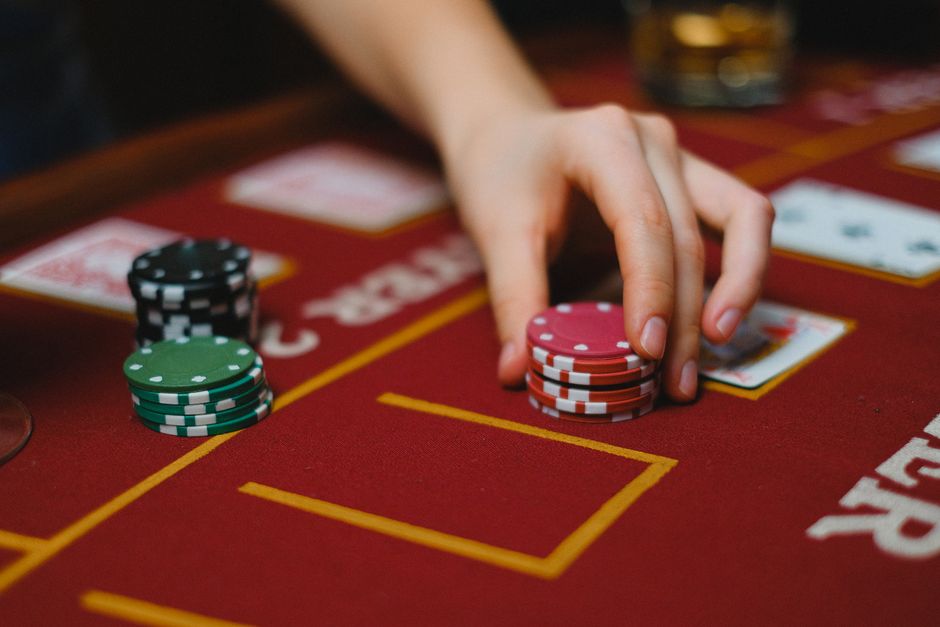
Ask ten people why they play casino games or bet on sports, and nine will mention the thrill. Ask them why they keep losing, and you'll usually hear the same word: bad luck. That's the trap. After fifteen years of watching poker tables, slot reels, and betting slips, I can tell you that the players who last are rarely the luckiest. They're the ones who understand the math, manage their bankroll, and treat iGaming as entertainment with a built-in cost, not a retirement plan. Let's break down what actually moves the needle.
Every game in a casino, online or brick-and-mortar, is built around a mathematical advantage for the operator. That advantage is called the house edge, and it's the single most useful number a player can know. It doesn't mean you'll lose every session. It means that over thousands of bets, the casino expects to keep a fixed percentage.
Here's how the edges stack up across common games:
Notice the pattern. The games with skill elements sit near the bottom of that list. The games with zero decisions sit at the top. That's not a coincidence. If you're going to spend an evening gambling, at least pick a game where your choices matter.
Slots account for the majority of casino revenue worldwide, and online slots have exploded because of their accessibility. But most players don't understand how they work. Modern slots use a random number generator that spins millions of outcomes per second. The reel you see is just a graphical representation of an outcome that was already decided the moment you pressed spin.
The number that matters is RTP, or return to player. An RTP of 96% means that over the lifetime of the machine, players get back 96 cents for every dollar wagered. The remaining 4% is the house's cut. Two slots can look identical and have wildly different RTPs, sometimes 91% versus 97%. That's a massive difference over thousands of spins.
Volatility matters just as much. High-volatility slots pay rarely but potentially huge. Low-volatility slots pay small amounts frequently. Neither is "better" in isolation. What matters is matching volatility to your bankroll. If you have 100 units to play with, a high-volatility slot can wipe you out before it ever hits a bonus. A low-volatility game will stretch that same bankroll much further but rarely delivers a life-changing win.
Poker is the outlier in iGaming. Cash games at reputable sites take a small rake from each pot, but they don't have a house edge against you in the traditional sense. Every dollar you win comes from another player, minus the rake. That means a skilled player can show a genuine profit over time. It also means an unskilled player will lose faster against good opponents than they would at a slot machine.
The defining skill in poker isn't bluffing or reading souls. It's discipline. Position at the table, pot odds, bankroll management, and emotional control matter far more than any highlight-reel play. I've watched players with mediocre card sense grind steady profits for years because they folded the right hands and avoided tilt. I've also watched talented players go broke in a month because they couldn't walk away after a bad beat. slot dana goes into the finer points.
If you're new to poker, start at the lowest limits and play tight. Fewer hands, better positions, no hero calls. The money follows patience, not aggression.
Sports betting has a lower house edge than most casino games, typically 4% to 5% on a standard two-way market, often less on major markets with sharp pricing. That's a much more forgiving margin. But it comes with a catch: you're not playing against a fixed mathematical rule, you're playing against the collective intelligence of the market.
Successful bettors specialize. They pick one or two leagues, learn the injury reports, travel schedules, weather patterns, and referee tendencies, and then only bet when the price looks wrong. The recreational bettor who fires ten parlays a weekend across five sports is donating money. The disciplined bettor who makes three carefully researched plays a week is at least giving themselves a chance.
Two rules that separate winners from losers:
Every game discussed here, slots, poker, blackjack, sports betting, lives or dies by bankroll discipline. Without it, even a positive-expectation player can go broke. The principle is simple: money you gamble should be money you can afford to lose entirely, and you should never wager more than a small percentage of that total on any single bet or session.
A common guideline for poker is 20 to 50 buy-ins for cash games. For slots, many experienced players treat a session bankroll as 100 units and stop when it's gone. For sports betting, flat-staking 1% to 2% of your bankroll per play keeps variance from wiping you out during a cold streak. These aren't arbitrary rules. They're the arithmetic that keeps you in the game long enough for skill or edge to matter.
iGaming isn't rigged, but it isn't fair in the way most people imagine fairness works. It's a set of mathematical systems with known edges, and the players who thrive are the ones who understand those edges, pick their games accordingly, and never let a single session dictate their emotional state. Luck shows up in every session. Over a year, it barely registers. What registers is whether you chose games with reasonable RTP, managed your bankroll like it belonged to someone else, and walked away when the plan said to walk away. Do that, and gambling stays what it's supposed to be: entertainment you control, not the other way around.