Best UK Beaches for Rock Pooling: A Beginner's Seasonal Guide
Rock pooling rewards curiosity more than expensive gear. A cheap net, a plastic tub and a pair of wellies will get you further than most people expect, provided you turn up at the right beach on the right tide. The catch is that "right" changes with the seasons. Summer gives you warm shallows and calm water; winter strips the weed back and exposes species you will not see in July. What follows is a beginner's guide to the UK beaches that suit rock pooling, how the year shapes what you find, and how to stay safe while the tide does its work.
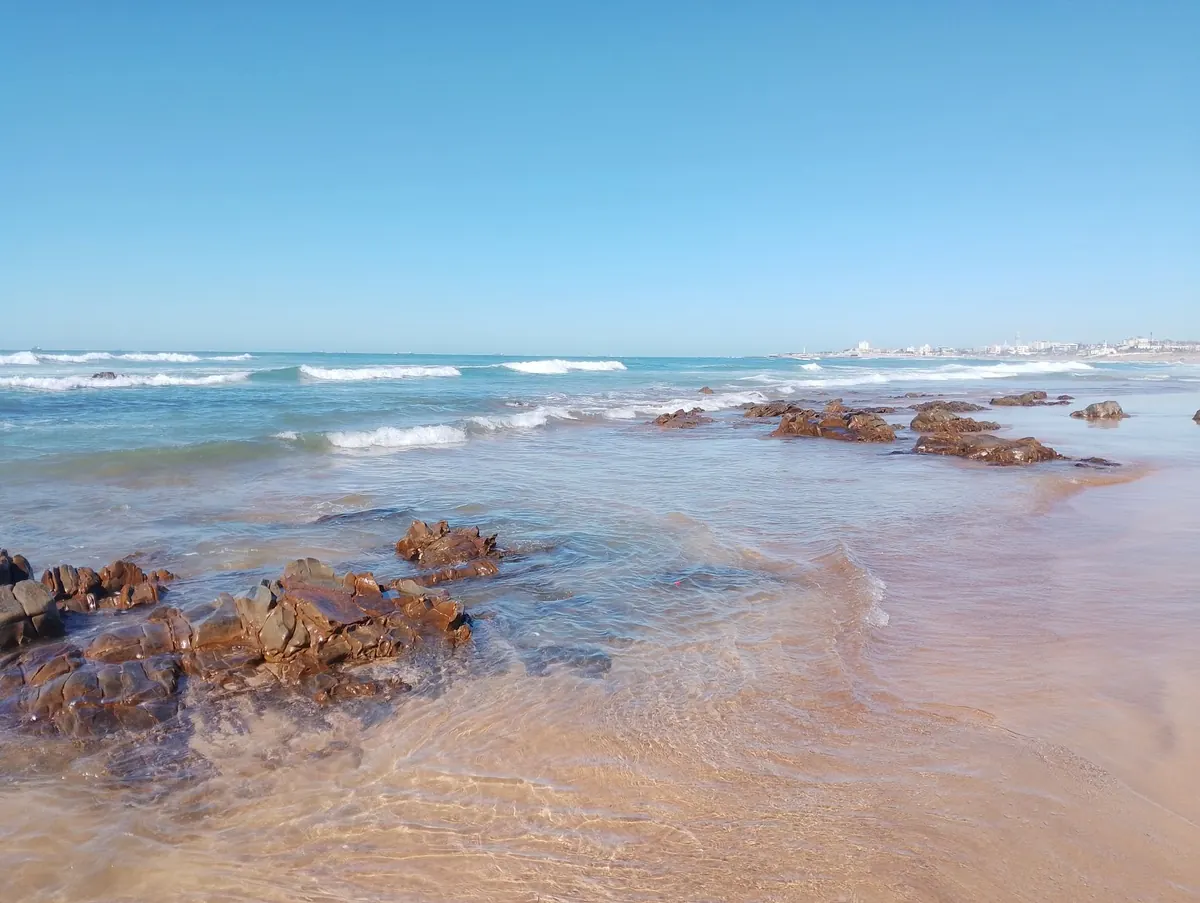
Not every rocky shore is worth the walk. The best spots share a few features: a wide intertidal shelf that stays exposed for an hour or more either side of low water, pools of varying depth, and a mix of sand, cobbles and stable boulders rather than loose, shifting rock. Look for gullies and shallow ledges covered in weed, because that is where small fish, crabs and prawns shelter when the water drains away.
Shelter matters too. A beach tucked behind a headland keeps its pools calmer, so the water stays clearer and the creatures inside are less battered by swell. Avoid exposed headlands on a windy day, not just for your own comfort but because stirred-up water makes it almost impossible to see anything.
These are well-known, accessible shores that reliably produce good pooling, spread around the UK so most readers can reach at least one.
Local knowledge beats any list. Ask at a harbour office, a dive shop or a seaside aquarium, and check whether the shore sits inside a Marine Conservation Zone or a voluntary no-take area. Collecting is restricted in some places, so look, photograph and put everything back unless you know the rules allow otherwise.
From March, water begins to warm and weed grows fast. Pools that looked bare in February fill with green algae, and small fish move back into the shallows. Spring tides around the new and full moon give the biggest window, though March and April weather can turn quickly. Take a waterproof and don't rely on a sunny forecast holding for the whole afternoon.
Shore crabs of all sizes, prawns hiding under weed, and the first bright beads of beadlet anemones opening in the shallows. Spring is also a good time for spotting egg cases — mermaid's purses — washed up along the strandline after winter swells.
Long evenings, warm rock and settled weather make summer the natural season for a first attempt. Low tides often fall in daylight, which means you can see what you are doing. The trade-off is crowds: popular beaches get busy, and the most accessible pools are picked over by mid-afternoon. Go early, or pick a beach a short walk from the main car park.
Summer pools are at their warmest, which is when you will see the widest variety of small fish — gobies, blennies, young pollock and the occasional butterfish. Anemones are fully open, and hermit crabs are active. Keep handling to a minimum, keep creatures in water, and return them to the exact pool you took them from.
September and October often deliver the best conditions of the year: fewer visitors, calmer seas and water that has not yet cooled. Seaweed growth is at its peak before winter die-back, so there is more cover and more life. Low spring tides in autumn can be spectacular, exposing reefs that only appear a handful of times a year.
Watch the forecast for onshore gales. A blow in late October can make a rocky shore genuinely dangerous, with waves breaking over ledges that were dry an hour earlier.
Winter pooling is for the curious and the warmly dressed. Many summer visitors move offshore, but the pools are not empty. Seaweeds die back, exposing rock surfaces and the animals that cling to them, and water clarity is often excellent. You may find starfish, brittlestars and sponges more easily than in summer.
Cold hands slow everything down and wet rock gets slippery fast. Take gloves you can work in, keep a flask in the car, and cut your session short rather than pushing on. Never turn your back on the sea in winter; swell arrives without much warning.
Tides are the single biggest risk on a rocky shore, and they are predictable. Check a reliable tide table for the exact beach, not a nearby town, before you go. Arrive as the tide is falling, and start heading back at least an hour before low water so you are never caught by the return.
Take only photographs, and leave the pools as you found them. Turning rocks over is fine if you put them back exactly as they were — the animals underneath depend on that dark, damp underside.
A small net with a soft mesh, a white-bottomed tray or clear tub, a magnifier, and a bucket of seawater for temporary holding are enough. A white tray makes small, well-camouflaged creatures far easier to see. Keep your hands wet and cool, avoid direct sun on your tub, and return everything within a few minutes.
If you find something you cannot identify, photograph it from above and from the side and look it up later. The Wildlife Trusts and the Marine Conservation Society publish shore guides for beginners, and many coastal aquariums run family rock pooling sessions in the summer holidays.
Start with one beach near you, learn how its tide works, and visit it in more than one season. The same pool in April and October can look like two entirely different places, which is exactly what makes this such a rewarding habit to keep.
Previous Post
Wind Against Tide: Why the Sea Gets Choppy and When to Avoid Small Boats
Next Post
Dog-Friendly Beach Guide: Tide Times, Zones and Summer Bans to Check